Your cart is currently empty!

Handling, Injection, and Sourcing of MK 677 in Research Settings

In my research work involving MK‑677, I follow very strict protocols for injecting MK‑677 safely, acquiring MK‑677 online only from verified sources, and ensuring proper handling and preparation. These practices are essential for reproducibility, safety, and compliance when doing preclinical or non‑clinical work.
Preparing MK‑677 for Injection
When I need to use MK‑677 via injection for animal studies, I reconstitute it using sterile solvents: usually bacteriostatic water, or sometimes a sterile ethanol‑water mix (e.g. <10% ethanol) if solubility demands it. I mix gently (no vigorous shaking) to avoid foam and ensure full solubility of the compound.
After reconstitution, I label the vial clearly with the concentration, lot/batch number, date of reconstitution, and “For Research Use Only.” If I plan to use for in vivo injections, I also filter the solution with a 0.22 µm sterile filter to remove possible particulates. Finally, I store in sterile, amber (light‑protected), sealed containers at −20°C or as recommended by the vendor’s MSDS until use.
Lab Equipment and Safety Setup

In my lab, I always use proper tools: insulin syringes or micro‑pipettes appropriate to the volume; gloves; alcohol wipes; and a sharps container for disposal. I work in a clean biosafety cabinet or laminar flow hood when preparing injections.
Every container or syringe is labelled “For Research Use Only” with a batch number. Before and after handling the compound, I disinfect surfaces, and ensure no cross‑contamination. Samples are handled with care, and safety equipment (face mask, eye protection) is used if there is risk of aerosolization.
Choosing the Appropriate Injection Route
The route of MK‑677 injection depends heavily on the subject model and study objective. For rodents, subcutaneous (SC) injections are common for slow, steady absorption in fatty tissue. Intraperitoneal (IP) injections are used when wider systemic distribution is needed.
Intravenous (IV) is rare but sometimes used for rapid onset or pharmacokinetic studies. I select based on how swiftly I want systemic exposure, the size/species of the animal, and risk of stress or adverse reaction.
Injection Sites in Animal Research
For subcutaneous injections in rodents, I typically use the scruff of the neck, which is a standard, low‑stress site. For IP, I use the lower right abdominal area, avoiding puncturing organs. I always avoid injecting near major blood vessels or organs to reduce risk of damage or adverse reaction.
Accuracy and Injection Consistency
To ensure consistency, I calibrate syringes or micropipettes before use. I rotate injection sites across sessions to reduce local irritation. After injection, I observe subjects for any abnormal reactions (bleeding, swelling, behavioral distress) for at least 1‑2 hours. Since MK‑677 has a known half‑life (in oral studies ≈ 4‑6 hours) in preclinical use, I schedule injections or sampling accordingly, ensuring dose timing is consistent for each subject.
Where to Source
When I acquire MK‑677 online, I only purchase from science‑focused suppliers with solid reputations. Key requirements I enforce:
- Certificate of Analysis (COA) and material safety data sheet (MSDS) are provided with each lot.
- Third‑party test results (HPLC, NMR, GC/MS) for identity and purity.
- Clear batch and lot number tracking to allow for reproducibility.
I avoid any vendor with vague labeling, no contact info, or those that promote consumable or medical claims. This ensures I get an authentic MK‑677 for research. Also, I crossverify test results with peer‑reviewed studies wherever possible.
Budget and Quality Considerations
In planning my budget, I account for purity level (≥98% is ideal), whether the compound is supplied lyophilized or liquid, amount needed per animal, storage materials, shipping (cold or special packaging), and import duties.
Buying in bulk usually lowers cost per mg, but I balance that with maintaining verified storage and handling protocols, so I don’t compromise quality due to cost‑saving. For example, using high‑purity lyophilized powder might cost more upfront but reduces variability.
Legal and Ethical Notes
Before procurement, I always check local laws: whether MK‑677 is regulated, scheduled, or requires special import permits. I ensure it is legal to import and store in my country under research use. I only use the material in approved non‑clinical frameworks, never for humans.
My institution’s ethics board is informed, and all usages are recorded with usage declarations. Ethical sourcing means clarity from the vendor that MK‑677 is research chemical, not for therapeutic or consumable use.
Summary
In my experience, injecting MK‑677 safely, preparing it properly, selecting routes, ensuring consistency in dosing, and sourcing only from verified suppliers with COA and lab documentation are non‑negotiable.
For reliable experimental outcomes, research labs must maintain precision and compliance in all these aspects. The integrity of study findings depends on it.


-
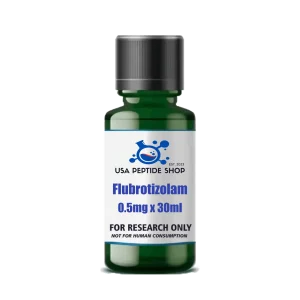 Flubrotizolam USA 0.5mg x 30ml$49.99
 -
 Tamoxifen 20mg x 30ml$25.99
 -
 Acetic Acid ( AA ) .6% 20ml$10.99
Leave a Reply